
In today’s healthcare environment, outpatient rehabilitation must deliver care that is effective, efficient, and patient-centered. One of the most reliable ways to achieve this is through the consistent use of evidence-based therapy approaches. Evidence-based practice (EBP) integrates the best available research, clinical expertise, and patient values to guide treatment decisions. When applied thoughtfully, it leads to better outcomes, higher patient satisfaction, and stronger clinical credibility.
At its core, evidence-based therapy ensures that treatment interventions are supported by scientific research rather than habit, tradition, or anecdotal experience alone. Research helps therapists identify which interventions are most effective for specific diagnoses, impairments, and functional limitations. In the outpatient setting—where patients often present with complex musculoskeletal, neurological, and post-surgical conditions—using proven interventions increases the likelihood of meaningful and measurable progress.
At The Recovery Project, which provides outpatient physical, occupational, and speech therapy, evidence-based practice begins with a comprehensive initial assessment. Each patient undergoes standardized functional testing and outcome measurement, with results compared to established normative data. Commonly used measures include the 6-Minute Walk Test, gait speed, BERG Balance Test, Patient-Specific Functional Scale, Jebsen Upper Extremity Test, SLUMS, and additional cognitive and speech-language assessments as appropriate. These objective tools allow therapists to accurately identify deficits, establish baselines, and guide clinical decision-making.
Using this data, therapists design a customized treatment plan tailored to each patient’s specific needs, goals, and functional abilities. Care is individualized rather than protocol-driven, ensuring interventions are both evidence-supported and meaningful to the patient.
In physical therapy, clinicians at The Recovery Project consistently follow established clinical practice guidelines when treating patients with Parkinson’s disease, stroke, traumatic brain injury (TBI), spinal cord injury (SCI), concussion, chronic pain and vestibular disorders. These guidelines help ensure that interventions are appropriate, effective, and aligned with current research. One important example is the emphasis on moderate- to high-intensity therapy in patients with PD, TBI and CVA, which has been shown to drive neuroplasticity, improve functional outcomes, and maximize recovery. Therapists intentionally dose exercise and functional training to challenge patients safely while promoting meaningful gains.
A key component of evidence-based care at The Recovery Project is ongoing reassessment. Each month, patients are retested using the same functional outcome measures, allowing therapists to objectively track progress over time. Results are compared to baseline scores and normative values, and each plan of care is revised as needed to ensure continued recovery and improved function. This structured reassessment process keeps therapy focused, efficient, and responsive.
Evidence-based practice also promotes consistency and accountability across outpatient rehabilitation services. Standardized assessments, adherence to clinical guidelines, and measurable outcomes support clear communication with referring providers and insurance payers while maintaining a high standard of clinical quality.
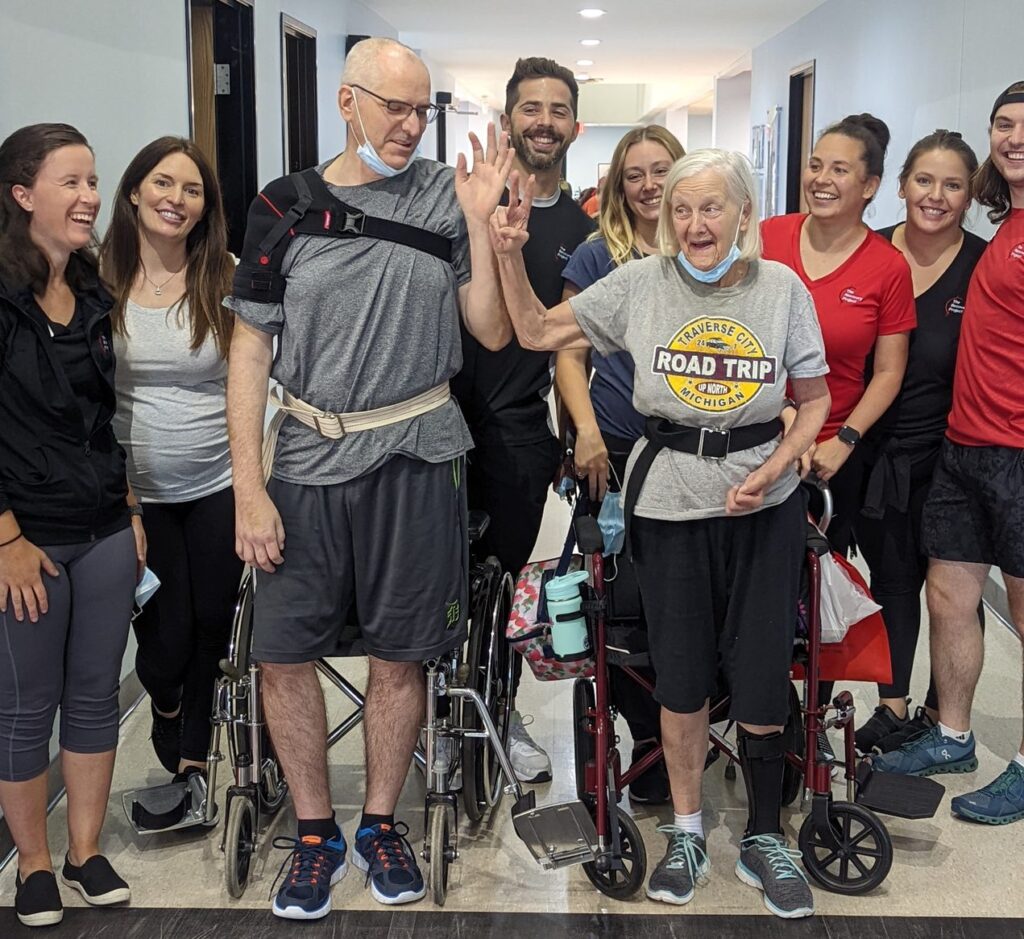
Importantly, this commitment to evidence-based, personalized care is reflected in patient experience. Patients at The Recovery Project consistently report an exceptional Net Promoter Score of 9.2 out of 10, demonstrating high levels of satisfaction, trust, and willingness to recommend their care to others.
In summary, evidence-based therapy is essential to high-quality outpatient rehabilitation. Through comprehensive assessments, adherence to clinical practice guidelines, appropriate treatment intensity, monthly functional retesting, and individualized plan-of-care adjustments, clinics like The Recovery Project deliver care that is scientifically grounded, patient-focused, and proven to produce meaningful, lasting results.