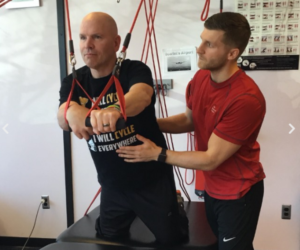
Neurological Physical Therapy: A Complete Guide to Recovery After Brain and Spinal Injury
After a stroke, a spinal cord injury, or a diagnosis such as multiple sclerosis, most people leave the hospital with a folder of paperwork and

After a stroke, a spinal cord injury, or a diagnosis such as multiple sclerosis, most people leave the hospital with a folder of paperwork and
Medication remains the foundation of Parkinson’s treatment, and exercise works alongside it rather than in place of it. What has changed is how seriously exercise
The weeks after a stroke move quickly, and then they stop. Inpatient care ends, home health finishes, and many survivors are left wondering whether this
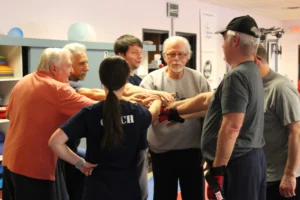
While many people with Parkinson’s Disease recognize tremors, stiffness, and slowed movement as common signs of Parkinson’s disease, fewer are aware of non-motor symptoms that
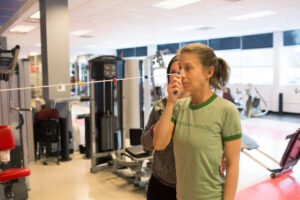
A concussion can affect far more than just a person’s ability to think clearly. Many individuals experience headaches, dizziness, balance issues, fatigue, memory challenges, difficulty
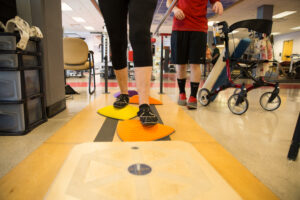
Functional Movement Disorder (FMD), a subset of Functional Neurological Disorder (FND), is a condition in which individuals experience genuine neurological symptoms that affect movement and
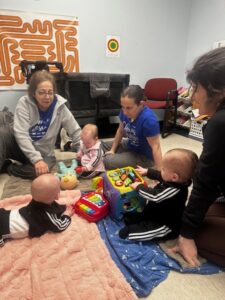
Aphasia: a language disorder caused by brain damage (commonly stroke or injury) affecting speaking, understanding, reading, and writing. Diagnosis involves a comprehensive language assessment by a speech-language
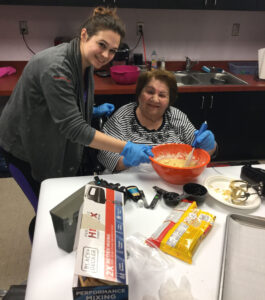
Have you ever tried patting your head while rubbing your stomach at the same time? It’s a simple way to experience dual tasking which is
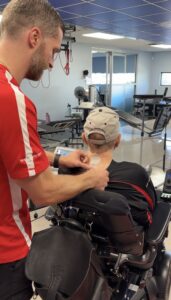
Individuals living with multiple sclerosis are all too familiar with the relentless symptoms of fatigue, spasticity, muscle weakness, as well as balance and gait impairments.
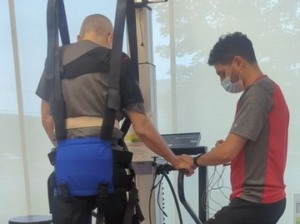
What is High Intensity Gait Training (HIGT)? High Intensity Gait Training (HIGT) is a type of therapy with the goal of taking a lot of
In today’s healthcare environment, outpatient rehabilitation must deliver care that is effective, efficient, and patient-centered. One of the most reliable ways to achieve this is
The Centers for Disease Control and Prevention (CDC) has reported that over 17 million people in the U.S. have contracted COVID-19. The majority of those